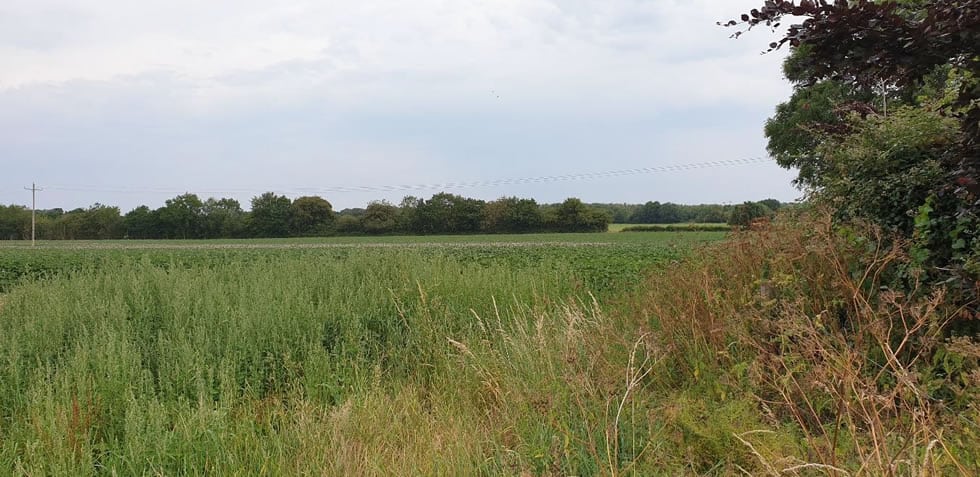
Veon Ecology recently conducted a Phase 1 Habitat Survey and Ecological Assessment for a proposed development site. This culminated in a report detailing the results of field surveys and a desktop study which informed this Phase 1 Habitat Survey and Ecological Assessment for the proposed development site. The report was prepared in accordance with the Chartered Institute of Ecology and Environmental Management’s (CIEEM) Code of Professional Conduct.
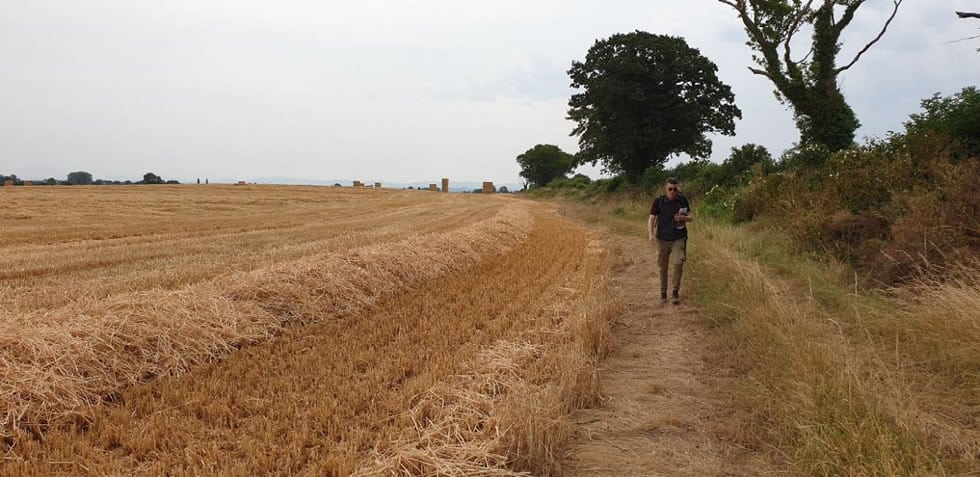
A Phase 1 Habitat Survey and Ecological Assessment report identifies and describes the principal habitat types present within the survey area and scopes their suitability for protected species thus, indicating potential requirements for further survey. The initial assessment, outlines the ecological features present on site and the surrounding environs, identifying the habitat types present, as well as the potential to support any protected species and also assessing the ecological value of the proposed development site with management measures to be adopted to ensure potential adverse impacts to wildlife are avoided.
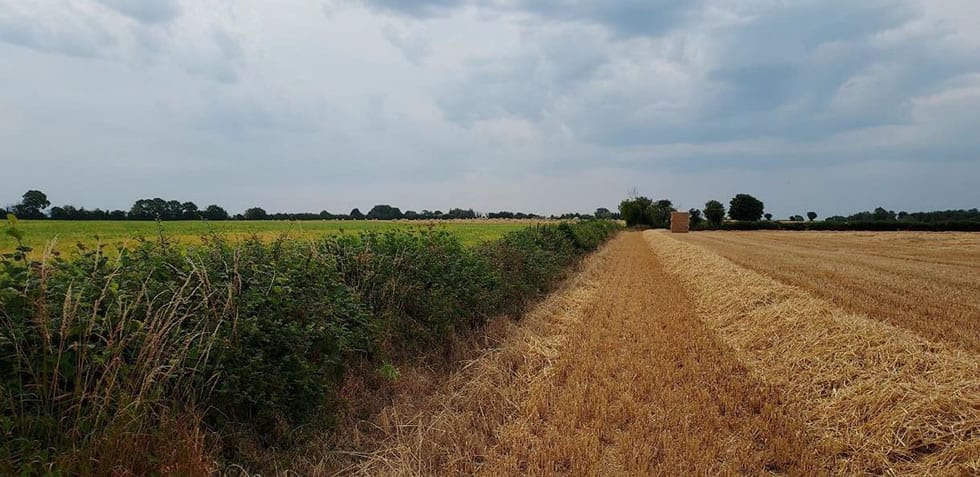
A Phase 1 Habitat Survey is usually conducted at early-stage planning and is the core element of a Preliminary Ecological Assessment. The survey determines whether there is a requirement for additional species-specific surveys and then if such a requirement exists, an extended Phase 1/2 Habitat Survey will be conducted to encompass additional habitat preservation and/or protected species.


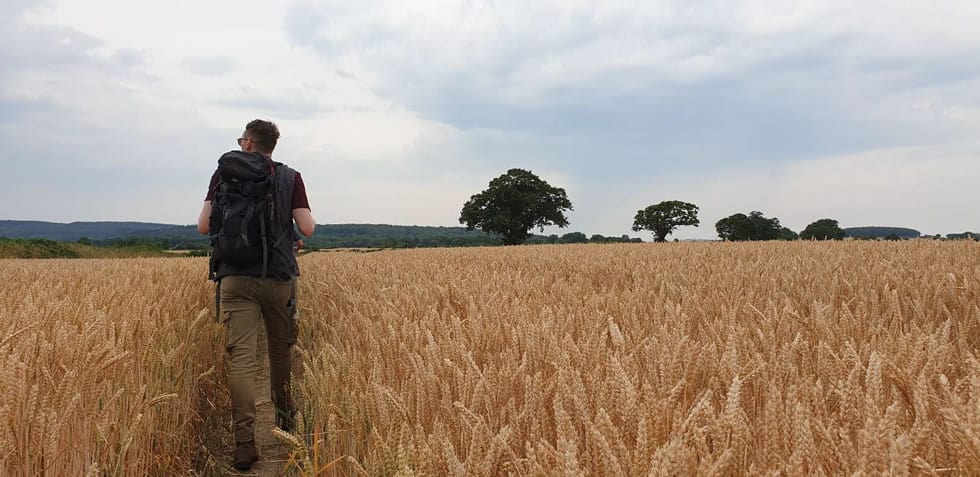
The primary objective of the phase 1 habitat survey is to record the biodiversity and habitat types present within the site. This ecological report will be used to assess the sites potential habitat suitability for the proposed project. This report gives a summary of the biodiversity and habitat types observed and recorded during the walkover surveys. In addition to the walkover of the proposed site, ecologists make use of aerial photography (Google Earth, Bing Maps) and mapping (Ordnance Survey of Ireland, Geological Survey of Ireland) to identify non-designated habitats such as rivers, woodlands, and hedgerows of local ecological importance.
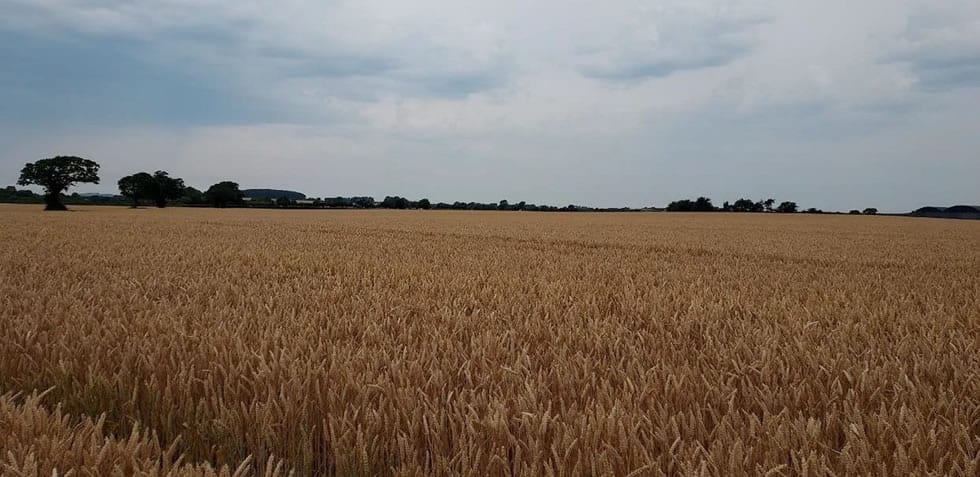
A multi-disciplinary ecological survey approach was taken during this walkover survey to record the presence, or likely presence, of a range of protected species, including bats, non-volant mammals, amphibians, and birds. Potential suitable habitats were also investigated for any signs of faunal presence. As part of the report the relevant historic records from the National Biodiversity Data Centre (NBDC) were accessed and included as part of the overall biodiversity summary of this site.
Further surveys would allow for a more detailed assessment of the value of the site for breeding birds, bats etc. and thereby inform the design of the proposed development so that it can take account of the species and habitats present. Selected ABEs will aim to encourage diversity of habitats, native flora, fauna and biodiversity within the development site. The biodiversity of the proposed project area can be greatly enhanced by the retention and inclusion of the present supplementary habitats including, hedgerows, semi-natural grasslands and open spaces.