

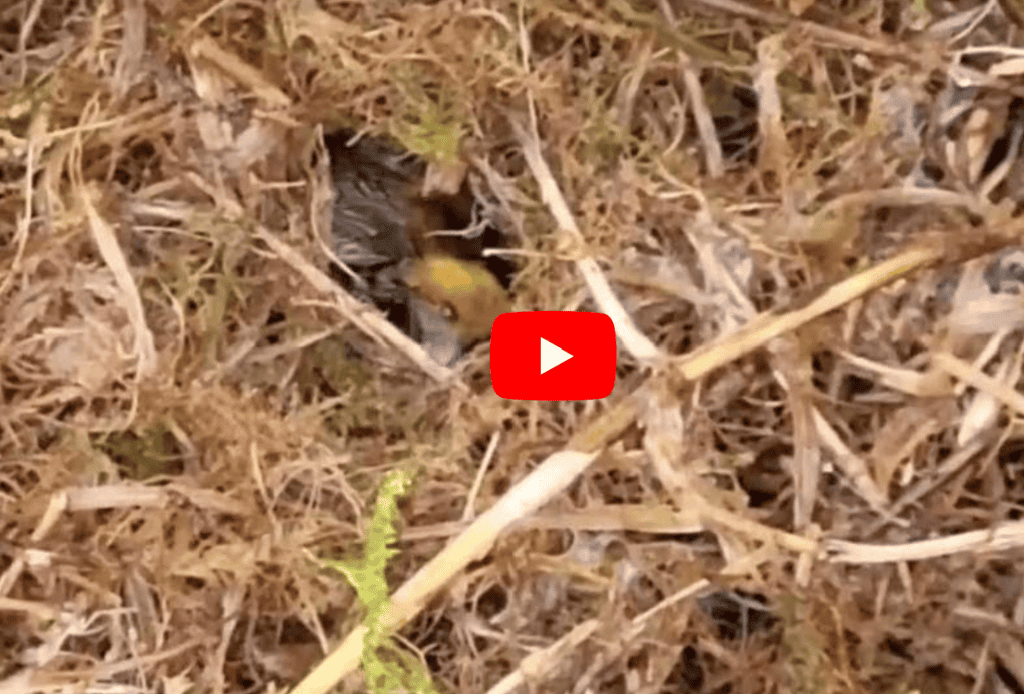
Veon foresters encountered an unusual beehive on site last week. This one was made in grass and moss and had a tiny hole entrance and was so well hidden that the forester nearly stepped on it!
Irish ground-nesting bees are vital pollinators, making up about 80% of Ireland’s bee species. They typically nest in bare or sparsely vegetated soils, such as sandy, grassy, or coastal areas. The most common ground-nesting bees in Ireland include species from genera like Andrena (mining bees) and Colletes (plasterer bees). The plasterer bee is the only bee species which is more widespread in Ireland than in Britain and they create small burrows or tunnels in the ground where they lay their eggs. Unlike social bees, like honeybees or bumblebees, ground-nesting bees are usually solitary, although many females may nest close to one another in favourable conditions.
Ground-nesting bees are crucial for pollinating wild plants and crops, but they are under threat due to habitat loss, agricultural intensification, and pesticide use. Conservation efforts focus on preserving and restoring suitable nesting habitats by maintaining undisturbed, open soil areas. Public awareness and support for these bees are increasing, as they play a critical role in maintaining biodiversity and supporting Ireland’s ecosystems.
#aibp #cieem #allirelandbeepolinatorplan #veonecology #pollinators #groundnestingbees #forestry #bees #veon #miningbees #plastererbees #myhome #biodiversity #naturewonder #conservation #lulufc #conservation #bng #habitatsurvey #nis