

Why Early Identification Matters for Responsible Land and Project Management
Invasive Species Week is an important annual reminder that the protection of biodiversity is not just a matter for ecologists, conservation groups or public agencies. It is also a practical issue for anyone involved in land management, development, infrastructure, forestry, utilities, public realm works, property management or environmental compliance.
Invasive species are plants, animals, fungi, or microorganisms that have been introduced, intentionally or unintentionally, into areas where they are not naturally found, and where they can establish, spread, and cause harm. That harm can affect native habitats, protected species, watercourses, agricultural land, forestry, amenity spaces, transport corridors, development sites and the wider economy.
For clients planning works on land or near water, invasive species are not simply a biodiversity concern. They can create legal, environmental, financial and programme risks if they are not identified and managed correctly. This is why early survey work, clear management planning and good biosecurity practice are so important.
Invasive Species Week 2026
Invasive Species Week 2026 runs from 22 to 28 June. Across Ireland, the UK, the Isle of Man, Jersey and Guernsey, organisations use this week to raise awareness of invasive species and the actions that can be taken to prevent their spread.
The week is a useful opportunity for public bodies, corporate landowners, developers, infrastructure providers and land managers to review their own sites, projects and procedures. It is also a timely reminder that invasive species management is most effective when it is based on early detection, accurate identification and practical action.
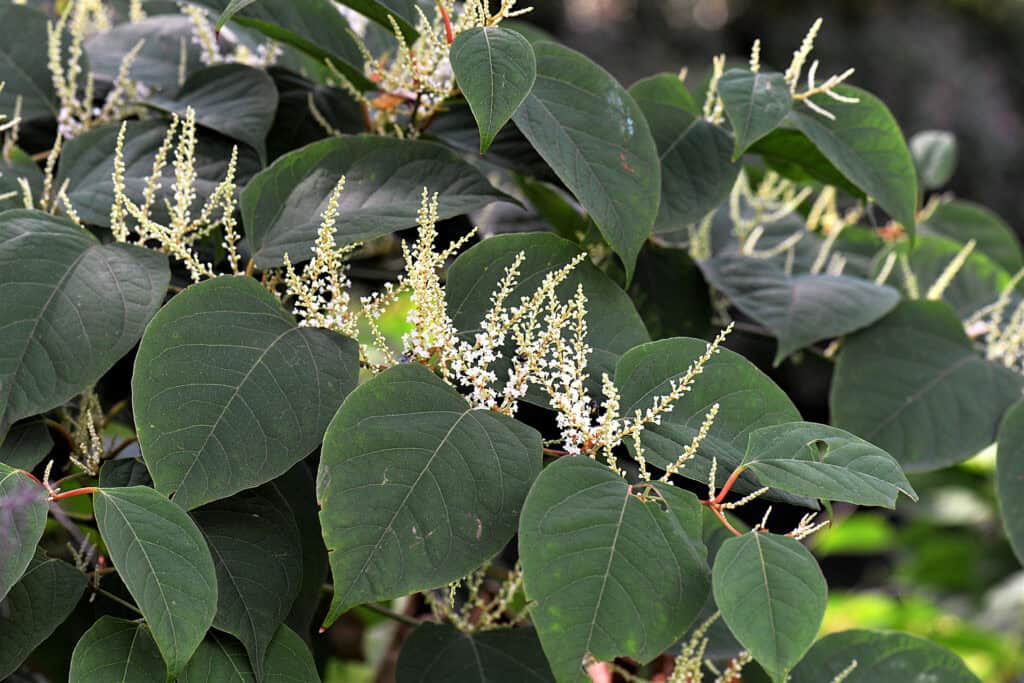
At Veon, we see invasive species as both an ecological issue and a project delivery issue. Species such as Japanese knotweed, Himalayan balsam, rhododendron, giant hogweed, zebra mussel, Asian clam or Asian hornet can have consequences that extend far beyond the immediate location where it is found. In some cases, invasive species can be spread through soil movement, machinery, footwear, water, plant material, waste handling or poorly planned site works. Once spread has occurred, control can become more difficult, more expensive and more disruptive.
Why invasive species matter
Ireland’s native species and habitats have developed over long periods of time. When invasive non-native species become established, they can outcompete native plants, alter habitats, affect food chains, damage ecosystem function and reduce biodiversity. Some can also affect human health, built infrastructure, water quality or land use.
For example, dense stands of invasive plants may suppress native vegetation and reduce habitat value. Invasive species along riverbanks can contribute to erosion, restrict access, affect fish habitat and increase the risk of spread downstream. Aquatic invasive species can be moved between water bodies on boats, equipment, clothing or machinery. Invasive animals can affect native wildlife through predation, competition or disease transmission.
The problem is not limited to nature reserves or remote habitats. Invasive species can be found on development sites, road verges, railway corridors, business parks, public parks, forestry lands, riparian zones, brownfield sites, quarries, ports, housing schemes, drainage channels and corporate estates. This means that many organisations have a role to play in preventing spread and ensuring that land-based works are carried out responsibly.
The compliance dimension
For organisations delivering works in Ireland, invasive species management must be considered in the context of environmental legislation and regulatory obligations. The legal framework around invasive alien species includes European and Irish legislation, including controls intended to prevent the introduction and spread of invasive species of concern.
This matters because certain activities, if poorly planned, can cause or allow invasive species to spread. On a project site, risks may arise during vegetation clearance, excavation, soil stripping, haulage, stockpiling, drainage works, demolition, landscaping, watercourse works, forestry operations, road maintenance, site investigation or enabling works.
A project team may not intend to spread an invasive species. However, a lack of awareness, inadequate survey information or poor site controls can still lead to accidental spread. That is why early identification and documented management measures are so valuable. They demonstrate that reasonable steps have been taken to understand the site, assess the risks and put appropriate controls in place.
For government bodies and corporate clients, this is also a governance issue. Good invasive species management supports environmental due diligence, responsible procurement, planning compliance, ESG reporting, biodiversity commitments and reputational protection.
Why early surveys are so important
One of the most common problems with invasive species is late discovery. If an invasive plant is identified after works have started, the result can be delay, redesign, additional cost, changed working methods, specialist treatment requirements, waste classification issues or the need for revised method statements.
Early survey work helps avoid this. A properly timed invasive species survey can identify what is present on site, where it is located, the extent of the infestation, the likely pathways of spread and the actions needed before works proceed.
Early surveys are particularly valuable where:
- Land is being prepared for construction or infrastructure works.
- Soil will be excavated, moved, imported or exported.
- Works are taking place beside rivers, drains, lakes, canals or wetlands.
- Vegetation clearance is planned.
- Machinery will move between multiple sites.
- Sites have a history of disturbance, dumping or imported fill.
- Works are taking place along transport, utility or watercourse corridors.
- A project requires planning, Appropriate Assessment, environmental reporting or ecological compliance support.
The earlier an invasive species issue is identified, the more options are usually available. Early identification allows project teams to plan around the issue, sequence works appropriately, avoid accidental spread and integrate management measures into the wider programme.
Common project risks
Invasive species can affect projects in a number of ways.
The first risk is programme delay. If invasive species are discovered during construction, work may need to pause while the species is assessed and a management approach is agreed. This can be particularly problematic where enabling works, clearance, earthworks or drainage works are on the critical path.
The second risk is accidental spread. Soil, plant fragments, seeds, rhizomes, contaminated water, machinery tracks, tools and clothing can all act as pathways. For some species, even small fragments of viable plant material may be enough to create a new infestation.
The third risk is poor waste handling. Material contaminated with invasive plant material may require careful management. If it is removed from site, it must be handled lawfully and responsibly. Incorrect disposal can create environmental harm and expose organisations to compliance risk.
The fourth risk is reputational. Public bodies, developers and corporate landowners are increasingly expected to demonstrate high standards of environmental responsibility. A visible failure to manage invasive species can undermine public trust and create avoidable negative attention.
The fifth risk is long-term land management cost. Once invasive species become established, they may require ongoing treatment, monitoring and control. Prevention and early intervention are usually more efficient than long-term reactive management.
The role of biosecurity
Biosecurity is the set of practical measures used to prevent the introduction and spread of harmful organisms, including invasive species. For land-based and water-based works, biosecurity should be simple, clear, site-specific and properly communicated.
Good biosecurity can include:
- Identifying invasive species before works begin.
- Mapping affected areas and marking exclusion zones.
- Avoiding unnecessary disturbance of contaminated areas.
- Cleaning boots, tools, vehicles and machinery.
- Managing soil movement carefully.
- Preventing contaminated water or plant material from leaving site.
- Providing toolbox talks for contractors.
- Using site-specific method statements.
- Keeping records of inspections, actions and treatment.
- Monitoring after works are complete.
Biosecurity is most effective when it is built into project planning rather than added after a problem emerges. It should be understood by the project team, not just by the ecologist. Site managers, contractors, machine operators, landscapers, engineers, environmental managers and maintenance teams all have a role to play.
Invasive species and water
Water is one of the most important pathways for the spread of invasive species. Rivers, streams, drains, lakes, canals and estuaries can all enable invasive species to move through the landscape. Equipment used in or near water can also transfer organisms from one site to another.
This is particularly relevant for infrastructure, drainage, flood relief, bridge, culvert, fisheries, hydromorphology and utility works. It is also relevant for survey teams, contractors, anglers, recreational users and land managers.
Simple precautions can make a meaningful difference. Equipment should be checked, cleaned and dried before being used at another location. Mud, plant material and water should not be transferred between sites. Where works are planned in or near water, invasive species risk should be considered at the earliest stage.
How Veon can help
Veon supports clients by providing practical ecology services that help projects proceed responsibly and in compliance with environmental obligations. In relation to invasive species, this can include:
- Invasive species surveys.
- Pre-construction ecological checks.
- Site risk assessments.
- Mapping of invasive species locations.
- Invasive species management plans.
- Biosecurity plans and procedures.
- Contractor toolbox talks.
- Ecological Clerk of Works support.
- Monitoring and reporting.
- Advice for planning, infrastructure, forestry, land management and corporate estate projects.
Our role is to help clients understand what is present, what it means for the site, and what actions are required. The objective is not to create unnecessary complexity. It is to provide clear, evidence-based guidance so that works can be planned and delivered with confidence.
Practical steps for clients
Invasive Species Week is a good time for organisations to ask some practical questions:
Have our sites been surveyed for invasive species?
Do we know whether invasive species are present on land under our control?
Are invasive species considered before groundworks, clearance or maintenance begins?
Do our contractors understand biosecurity requirements?
Do we have a procedure for reporting suspected invasive species?
Are invasive species risks considered in project planning and procurement?
Are our management actions documented?
For organisations with multiple sites, such as local authorities, utilities, infrastructure providers, forestry companies, educational campuses, industrial estates or corporate landowners, a planned approach can be particularly valuable. Knowing where invasive species are present and prioritising action can reduce risk and improve long-term management.
A positive message for Invasive Species Week
Invasive species are a serious issue, but the message for Invasive Species Week should not be one of alarm. It should be one of awareness, responsibility and practical action.
Many invasive species problems become more difficult because they are discovered too late or because people do not realise how easily spread can occur. With early surveys, clear advice and good biosecurity, organisations can make better decisions and reduce risk.
For clients planning works this summer or later in the year, now is the right time to review invasive species risk. A survey undertaken at the right stage can support planning, protect biodiversity, reduce delays and help demonstrate environmental compliance.
Invasive Species Week is a reminder that everyone involved in land, water, infrastructure and development has a part to play. By identifying risks early and taking responsible action, we can help protect Ireland’s biodiversity while supporting well-managed, compliant project delivery.
If you are planning construction, infrastructure, forestry, land management or maintenance works, Veon can help you assess invasive species risk and put practical measures in place before it becomes a problem.